Preservation Connecticut is proud to announce its Connecticut Preservation Awards for 2026. Preservation stories often tell of threats and losses, so it is heartening to turn instead to stories of accomplishment and creativity. These awards are about rejuvenated places where we can work or play, gather and govern our communities, or create. They show us places that provide shelter, conserve resources, and remind us of who we are and where we come from. They remind us how the past can contribute to a richer future.
We are honored to recognize individual projects, long-term contributions, and professional achievements that demonstrate the many ways historic places contribute to the life and vitality of Connecticut communities. The awards will be presented at a ceremony on May 7 at the New Haven Country Club in Hamden.
Harlan H. Griswold Award for Historic Preservation:
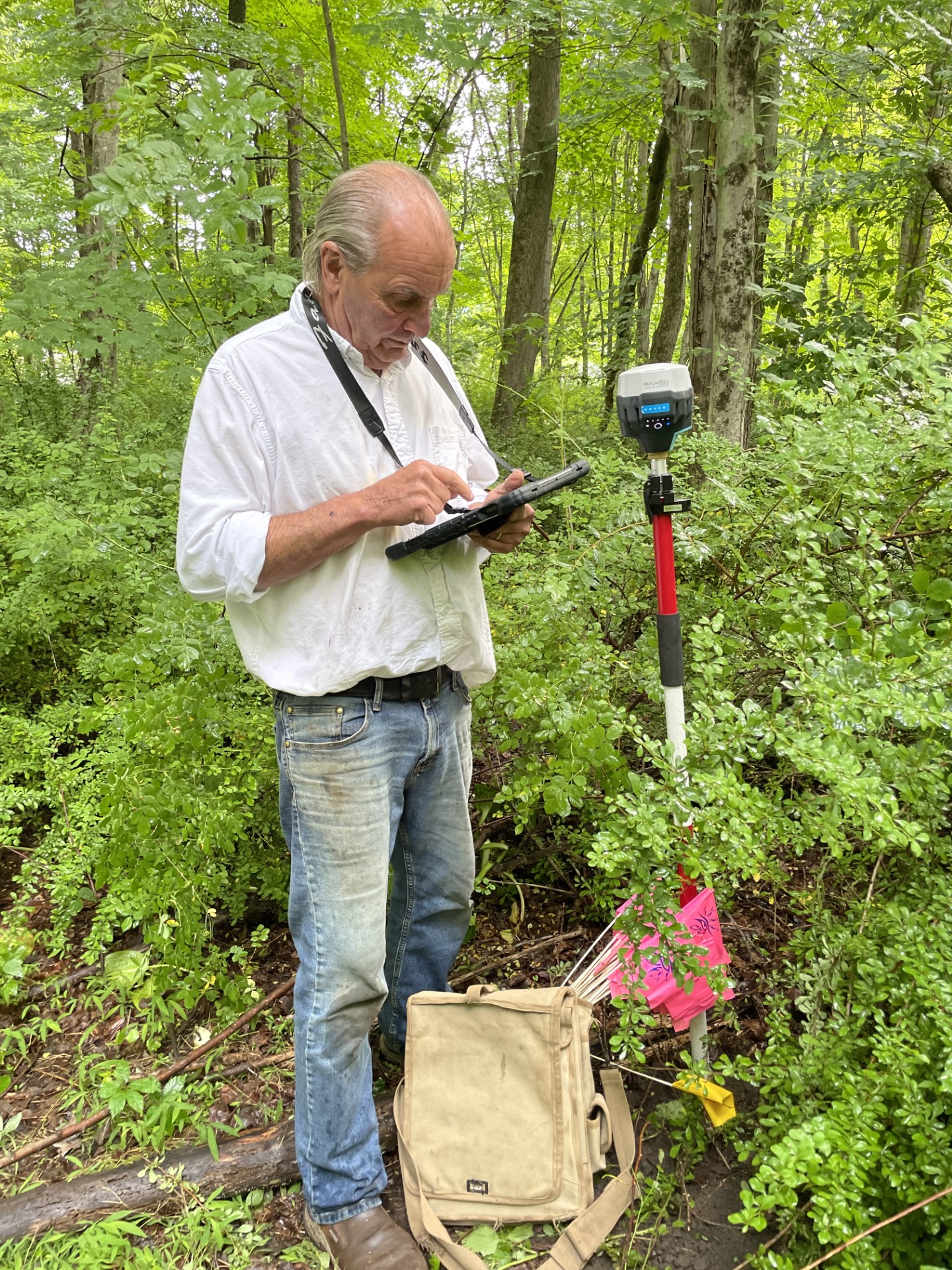
KEVIN McBRIDE
Presented jointly by Preservation Connecticut and the State Historic Preservation Office, the Harlan Griswold Award honors outstanding contributions to the preservation and revitalization of Connecticut’s historic places. Kevin McBride has been a key figure in Connecticut archaeology since the 1970s. His early doctoral dissertation set the context for indigenous archaeology that still guides how sites are interpreted and evaluated. In the 1980s he pioneered community archaeology that established a working relationship with Native communities who previously viewed non-Native archaeologists with suspicion. His work in battlefield archaeology has greatly increased our understanding of the Pequot, Revolutionary, and 1812 wars. As a professor and mentor, he has trained successive generations of archaeologists; in the words of one former student, “He made me look at archaeology as more than just things in the ground.”
Janet Jainschigg Award for Preservation Professionals:
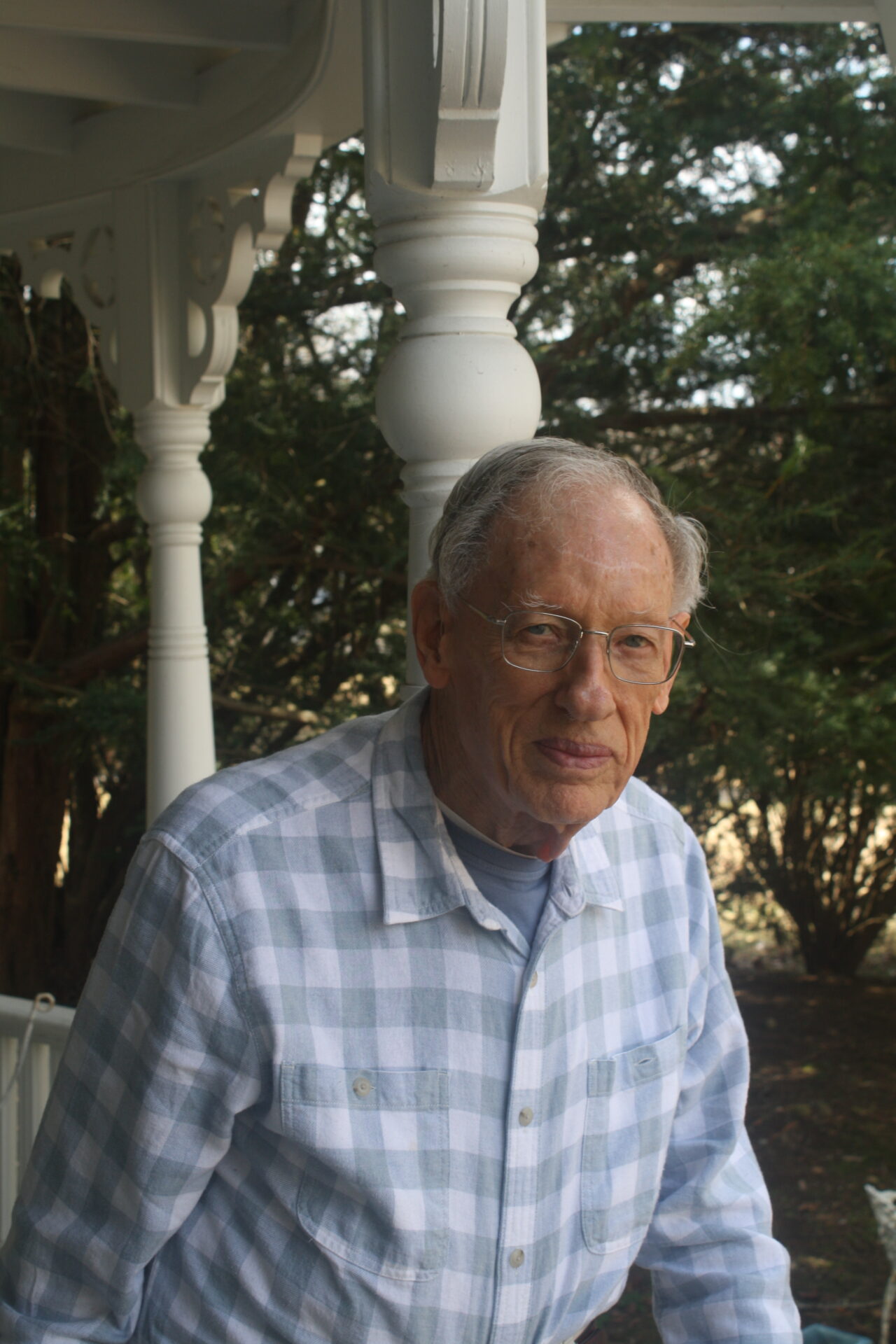
JAMES K. GRANT, P.E.
Preserving historic buildings often depends on knowing if they’re structurally sound and how to keep them that way. For over 40 years, engineer James K. Grant has been active in preservation efforts across Connecticut, winning dozens of awards in the process. Projects include the restoration of the Colt factory dome, stabilization of the Kent iron furnace; and reuse of the Betty Ruth and Milton B. Hollander center, the first adaptive use project in Connecticut to qualify for LEED Gold status. Along the way he played a crucial role in lawsuits to prevent demolition of historic buildings, explaining structural issues clearly for laypersons to understand.
Mimi Findlay Award for Young Preservationists:
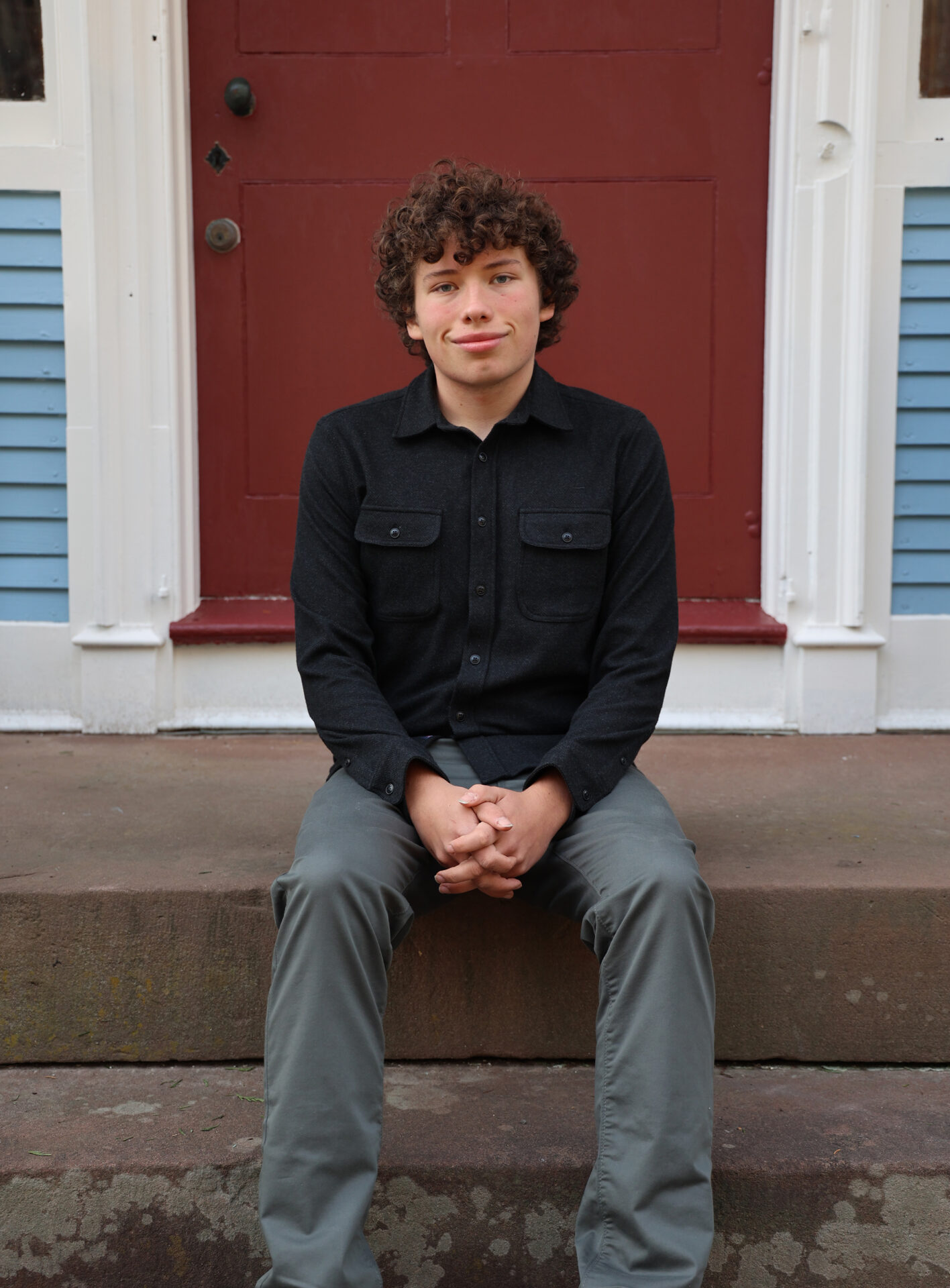
JACK LOVEJOY
Still a student at Connecticut College, Jack Lovejoy has already shown passion and effectiveness as a preservationist. At the age of 16 he recruited volunteers to repair historic gravestones at the East Haddam Congregational Church. Appointed to the town historical commission at 18 he works with property owners to find project solutions that maintain historic integrity. He is actively pursuing hands-on experience in historic building techniques. Through Jack Lovejoy Preservation Services he provides consulting services including historical research and documentation. In addition, he has won awards for architectural photography and National History Day projects.
AWARDS OF MERIT

Paul S. Butkus
Paul S. Butkus is a lifelong champion and advocate for Connecticut’s historic assets through his professional achievements in architecture and landscape architecture, demonstrating a deep understanding of historic buildings, and as a generous volunteer for local and statewide organizations.
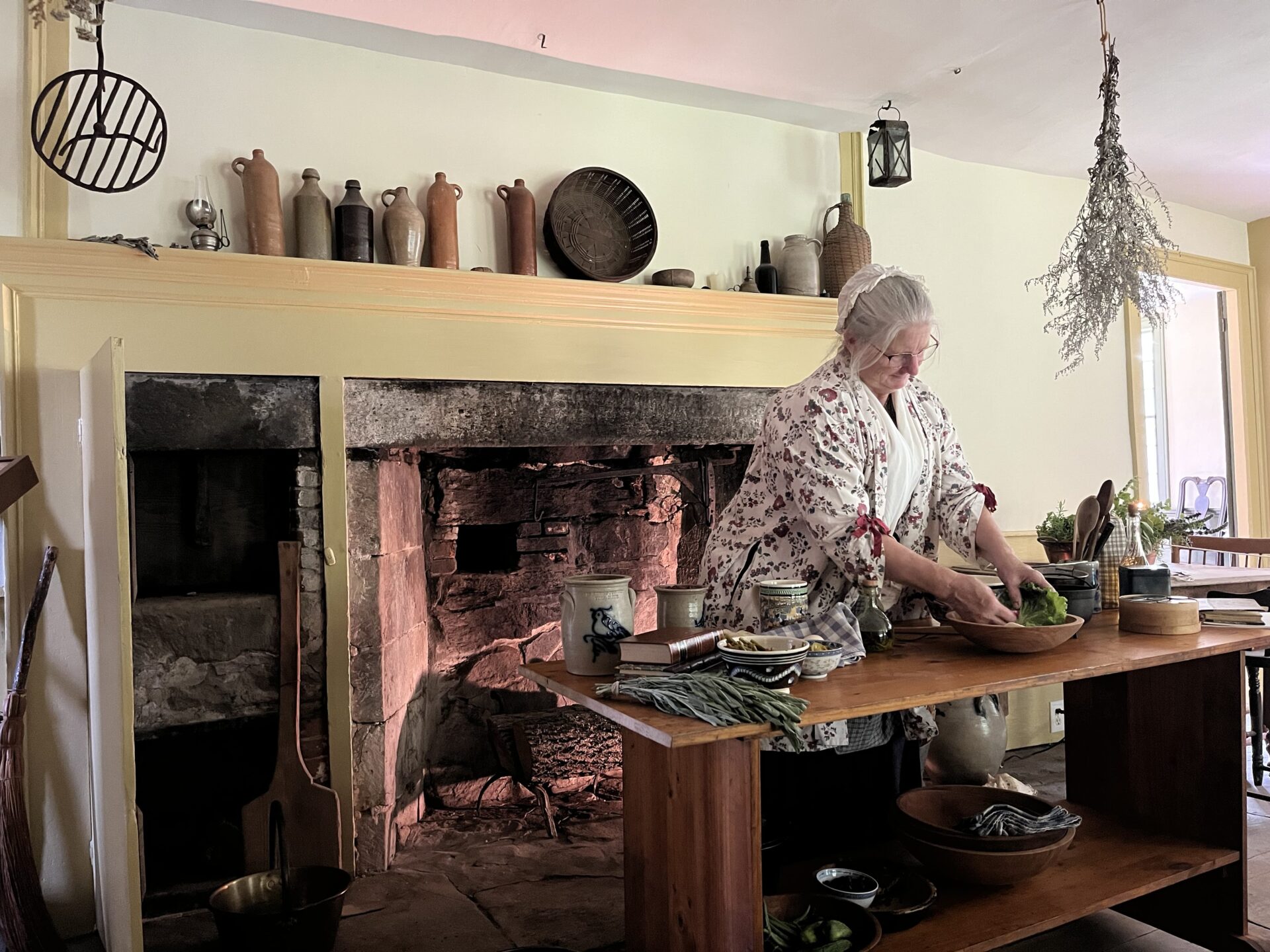
Granby: Sadoce Wilcox house and Lyman Wilcox barn
The Salmon Brook Historical Society restored this historic but dilapidated house and barn, including easy access to the house’s cellar to interpret an area that is often not accessible. Much of the work was done by community volunteers.
Project team: Salmon Brook Historical Society; Granby Land Trust; New Harmony Builders; Period Builders; McAree Mason Contractors; Adam Electric; Nevan Carling; Handweavers Guild of Connecticut; Craig Ellis; Trimworks Unlimited; Greater Hartford Gives
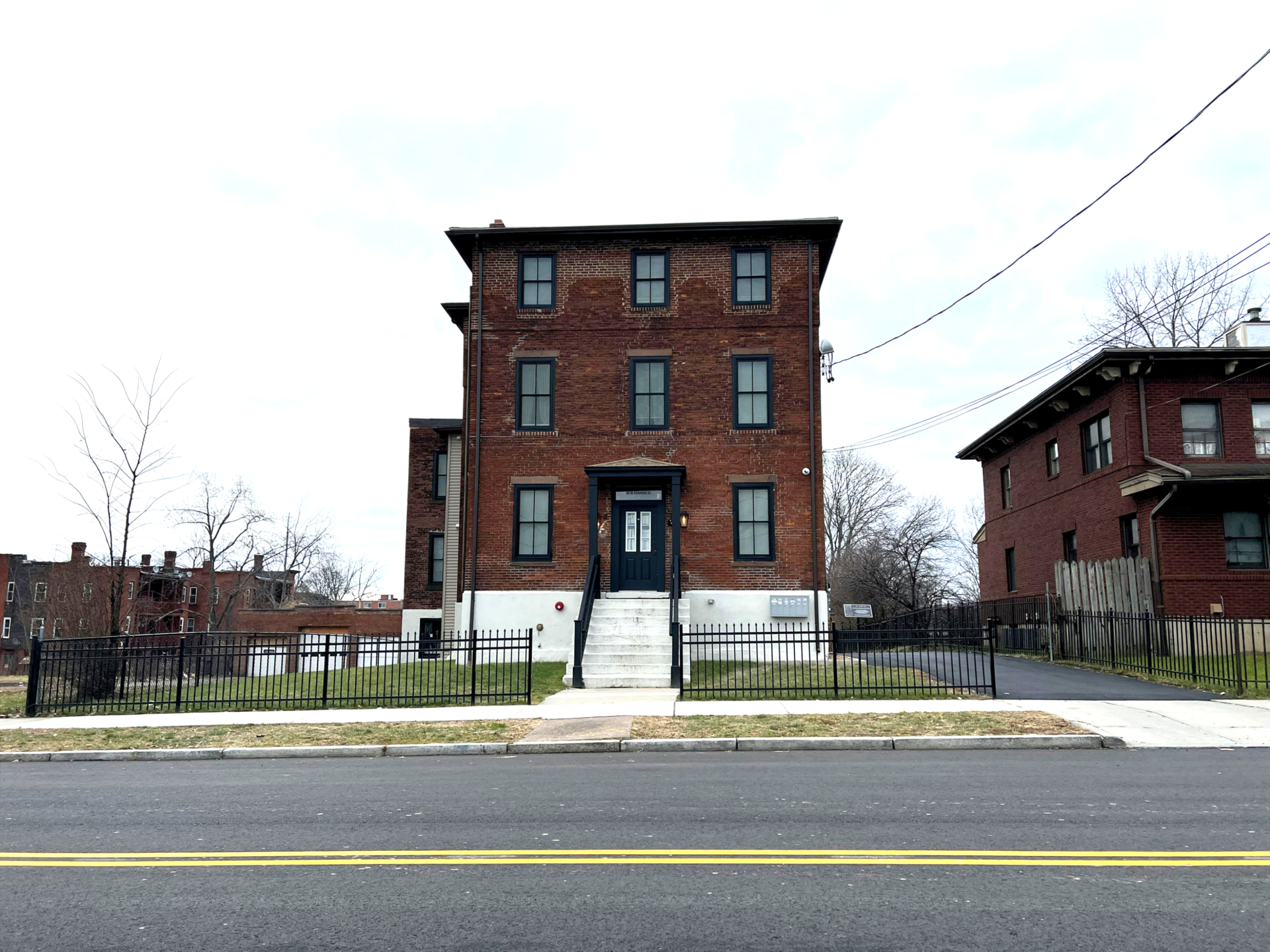
Hartford: 94-96 Edwards Street
This long-vacant Italianate house in Hartford’s Clay-Hill National Register district has been returned to use, providing much-needed, affordable housing and giving a boost to the surrounding neighborhood. The project demonstrates how preservation can be economically viable, socially impactful, and culturally respectful.
Project team: VASE Development LLC; VASE Construction LLC; Connecticut State Historic Preservation Office; Eversource; City of Hartford; Hartford Community Loan Fund; GTS Design; Voka Plumbing; A-Preferred; Teachman Painting; Tim’s Enterprise; CSS Electrical; AK Mechanical; Encore Fire Protection; Optimum Energy; LSJ Masonry; Shelton Winnelson; Home Depot; Hartford Lumber
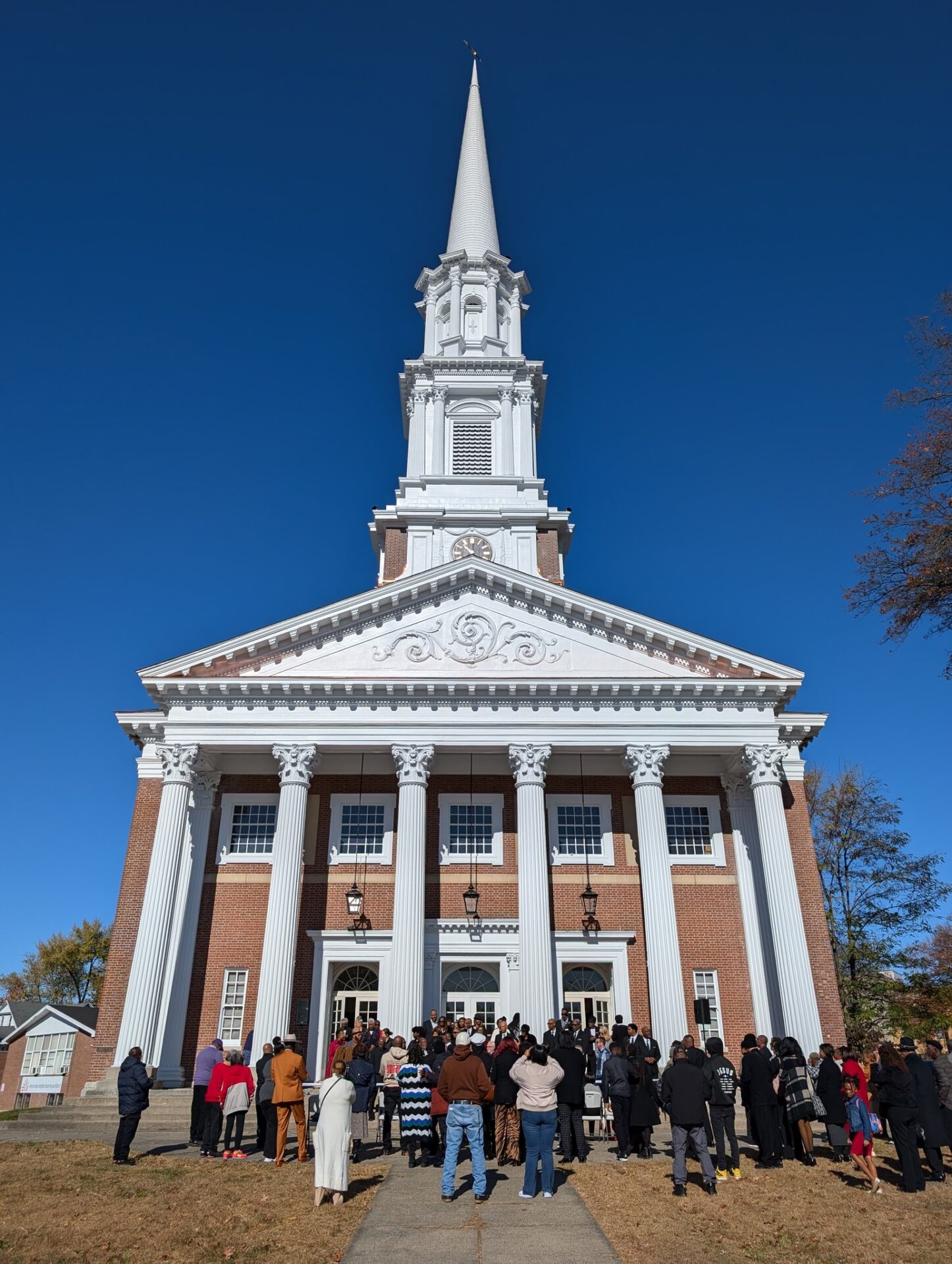
Hartford: Liberty Christian Center International (Horace Bushnell Congregational Church)
Liberty Christian Center International proudly completed the restoration of its 140-foot steeple. More than a construction job, the project preserved a shared landmark as an investment in neighborhood pride, cultural heritage, and the long-term vitality of Hartford’s North End.
Project team: Liberty Christian Center International; Valley Restoration LLC; The Architects; Cirrus Structural Engineering; Capital Region Development Authority; Hartford Preservation Alliance; Speaker Matthew Ritter and his staff
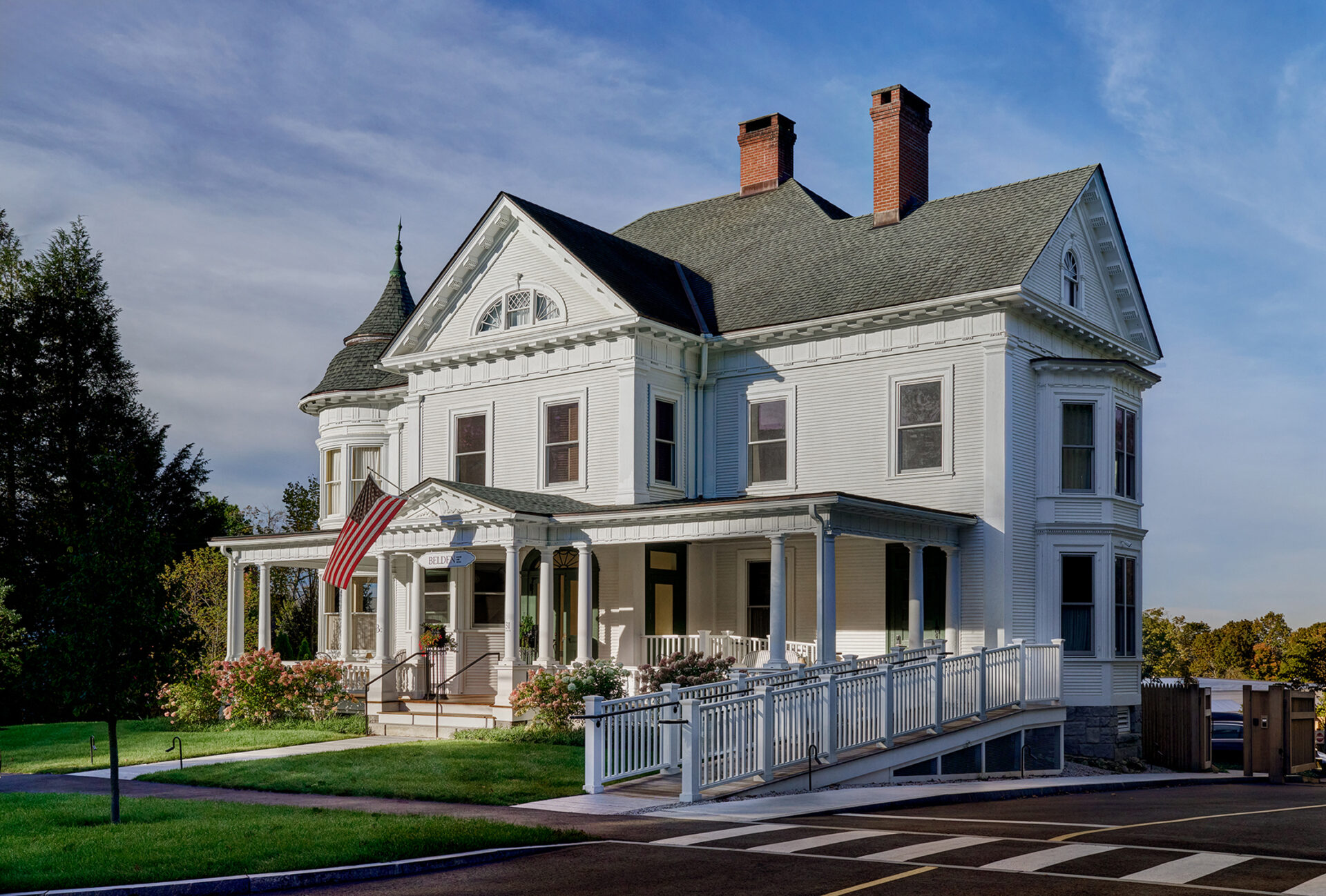
Litchfield: Belden House & Mews
The adaptive reuse of the Queen Anne style Charles Belden House, and its modernist annex, restores a previously derelict, abandoned estate in the significant National Historic Landmark district of Litchfield. The restored house is beloved by locals who, years after its closure, have finally been welcomed back.
Project team: Dutchfield LLC ; PBDW Architects; Champalimaud Design; Charlie Dumais; Reed Hilderbrand; Ron Wolff; John Kinnear Architects; Murray Engineering; Kohler Ronan; Burlington Construction Company; Ian Ingersoll; Dumais Made; Twenty2; Lakeville Interiors; Bantam Tile Works; Whitedog Woodworking
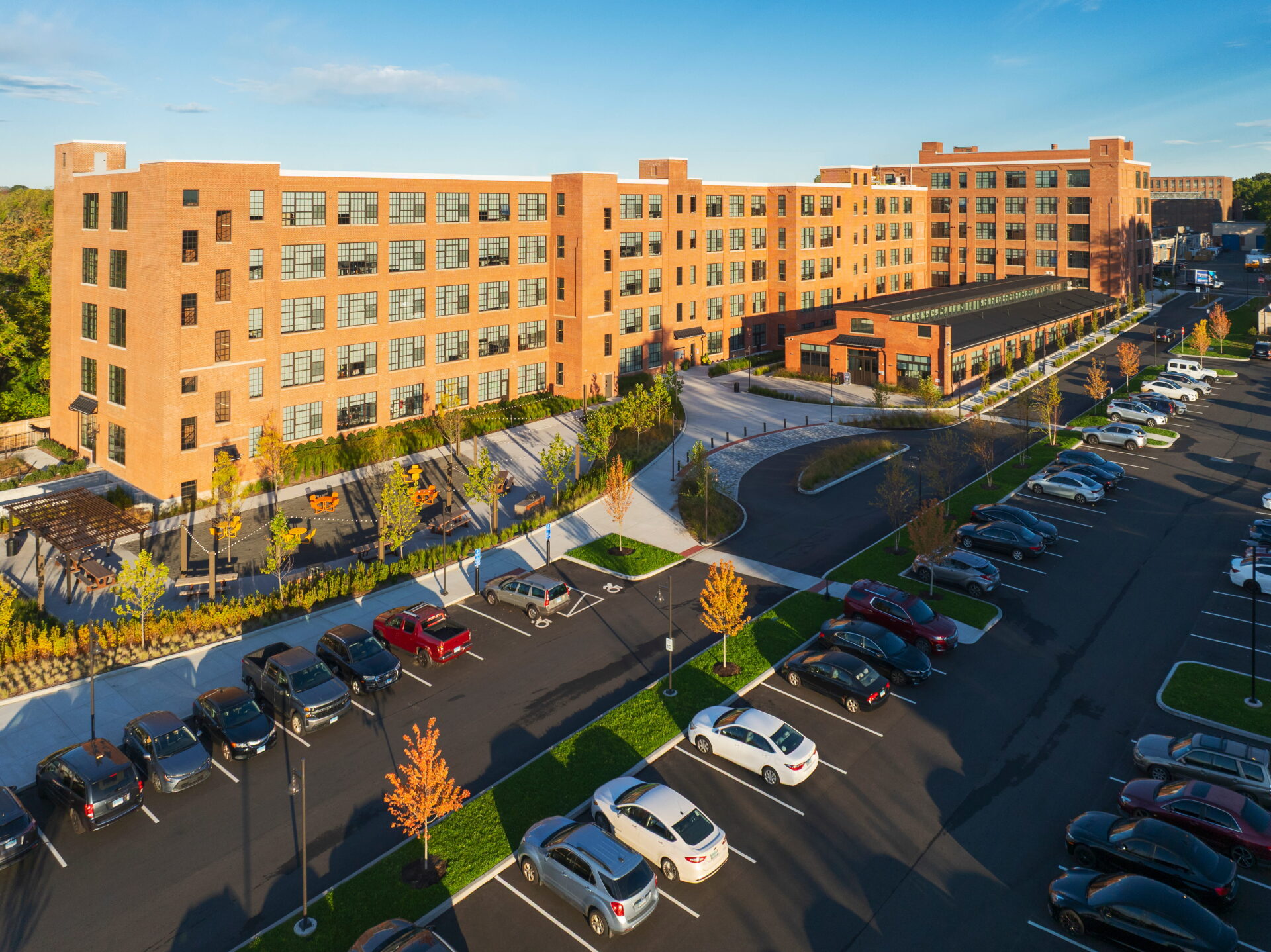
New Britain: Ellis Block Apartments (Landers, Frary & Clark factory)
The Ellis Block Apartments is an adaptive use project that transformed the long-vacant Landers, Frary & Clark factory, into 154 affordable and workforce apartments—one of the biggest affordable residential adaptive use projects in Connecticut. The effort required innovative financing, brownfield remediation, renewable energy, and strong public-private partnerships.
Project team: WinnCompanies; Keith Construction; JCJ Architecture; Public Archaeology Laboratory; Vince Group Inc.; City of New Britain; Connecticut Housing Finance Authority; Connecticut Department of Housing; Connecticut Department of Economic and Community Development; Connecticut State Historic Preservation Office; U.S. National Park Service; Bank of America; BlueHub Capital; Eversource; CCARC Inc.
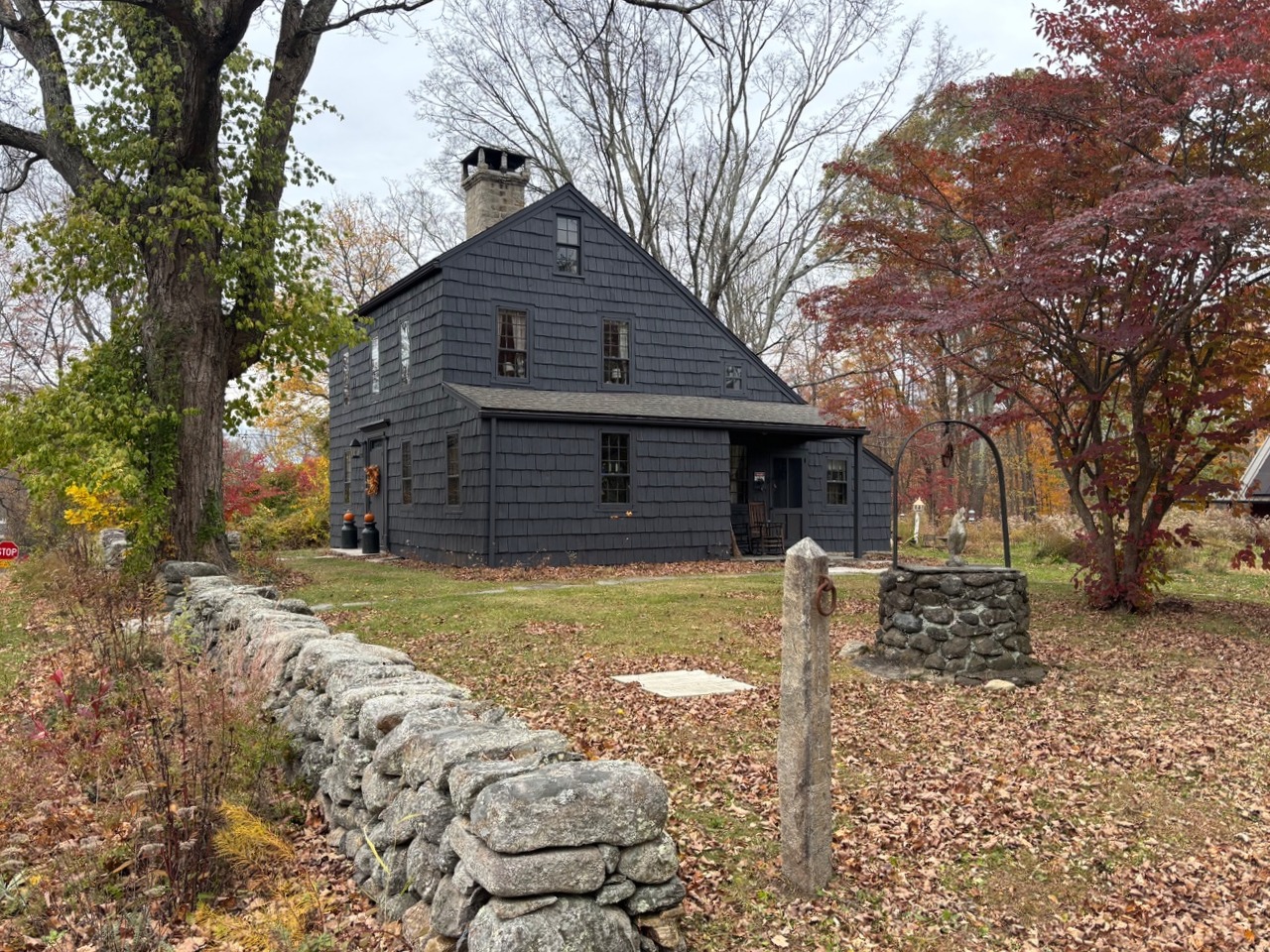
New Canaan: Hoyt-Burwell-Morse house
Dudley Schipper renovated this 18th-century saltbox as her vision for the property evolved from guest house for a new dwelling to staying within the existing historic footprint. Her work shows that with careful planning one can live comfortably in an historic house without overwhelming additions.
Project team: Dudley Schipper; R.J. Aley; Steve Marshall; Linde Construction; Rob Sanders Architects LLC; Studio FFA; Friends Painting Services LLC
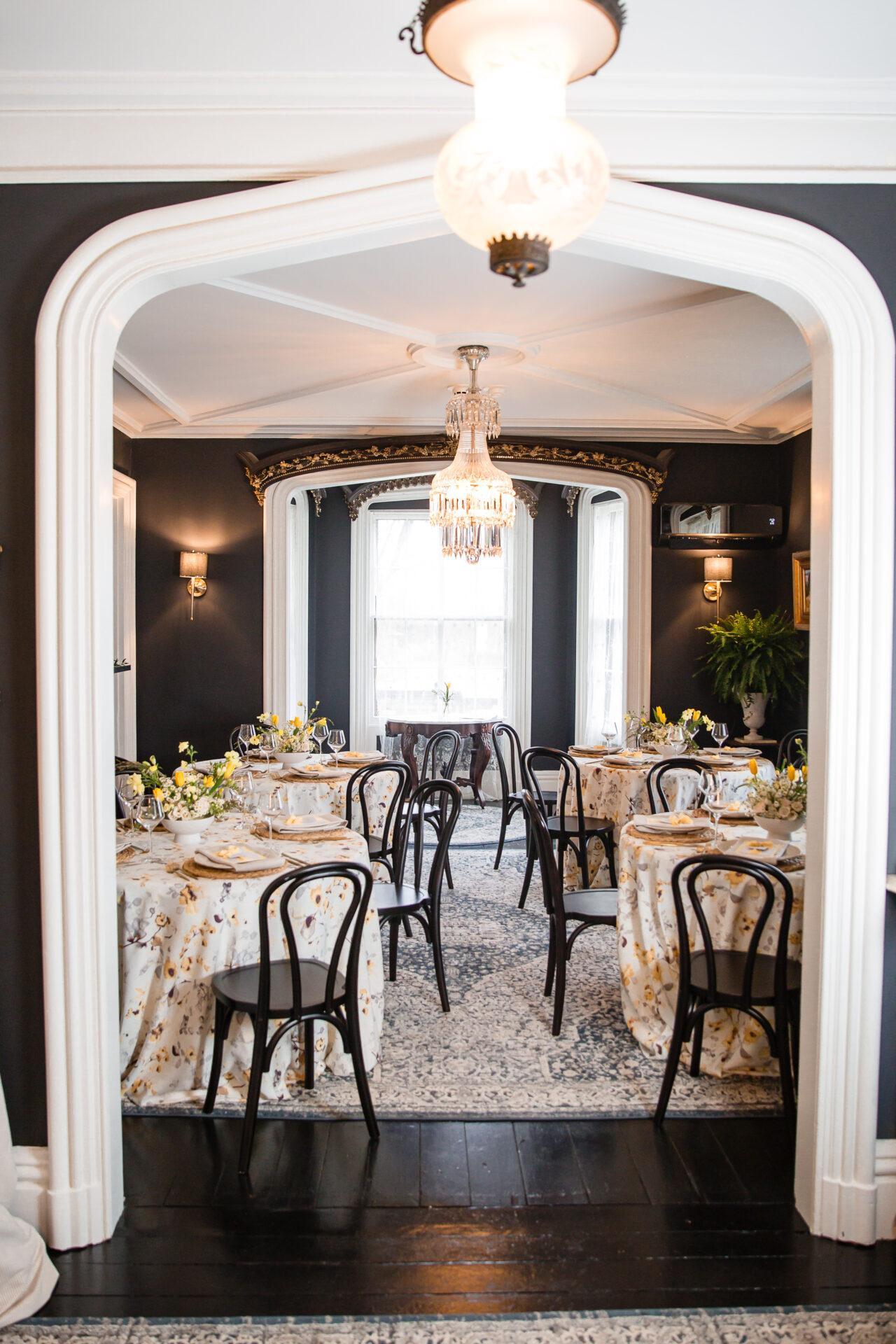
New Haven: The Estate (Raynham)
When the Townshend family prepared to sell Raynham, after eight generations, no one doubted that the historic estate would be broken up. Instead, local residents Chuck and Marcella Mascola renovated the Gothic Revival mansion as an event facility that successfully combines old and new.
Project team: Marcella Mascola; Chuck Mascola; Salvatore Marottoli; Hervey Townshend
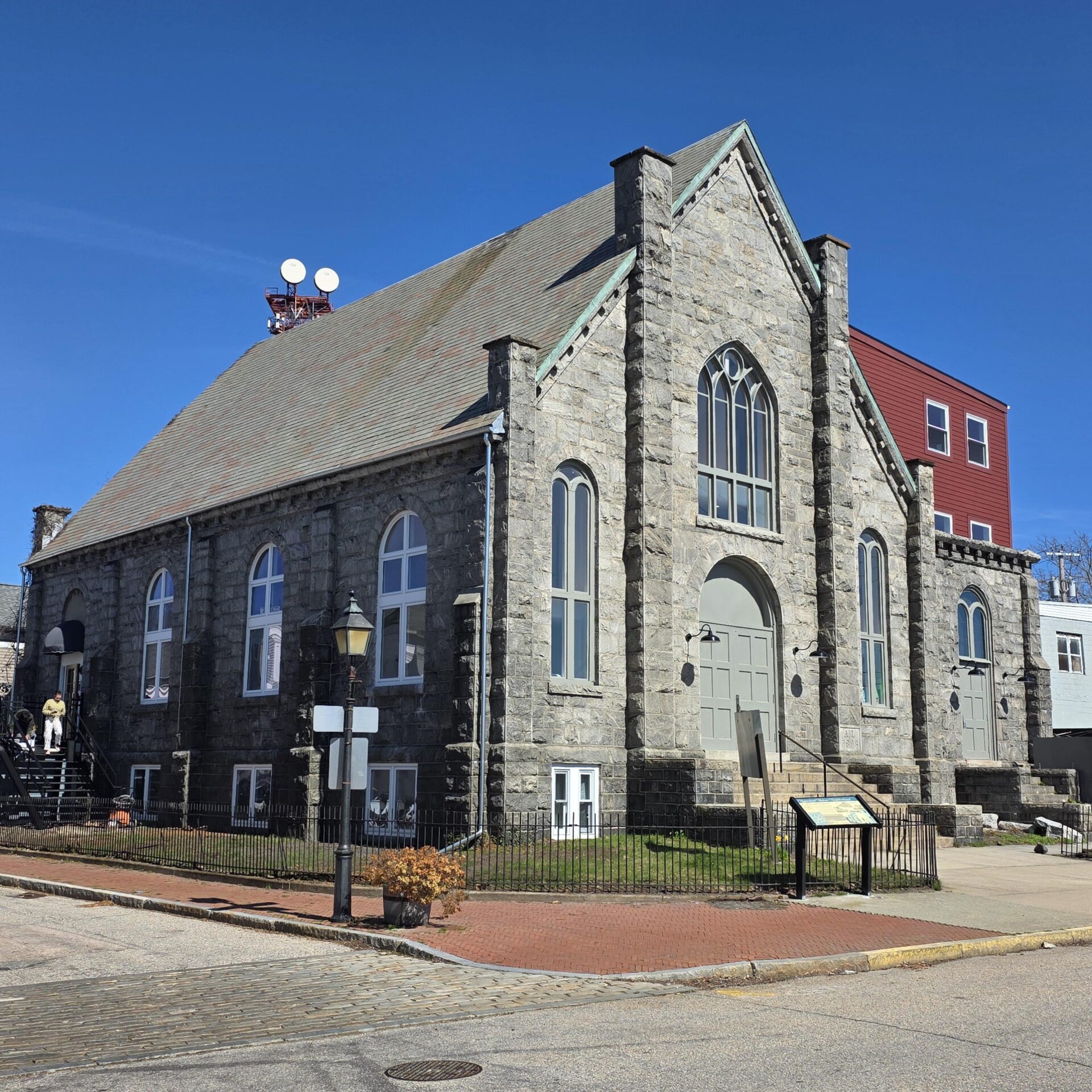
New London: Tilley Corners (Universalist Church)
Converting this former church to apartments with rehabilitation tax credits required careful planning to be economically feasible while preserving the feeling of the sanctuary, crucial to the building’s historic character as a church. The successful resolution will pave the way for more opportunities to reuse religious buildings.
Project team: Parker Benjamin Real Estate Services; DJLU Architects; Certified Historic Design & Build LLC; Pillar Property Management LLC
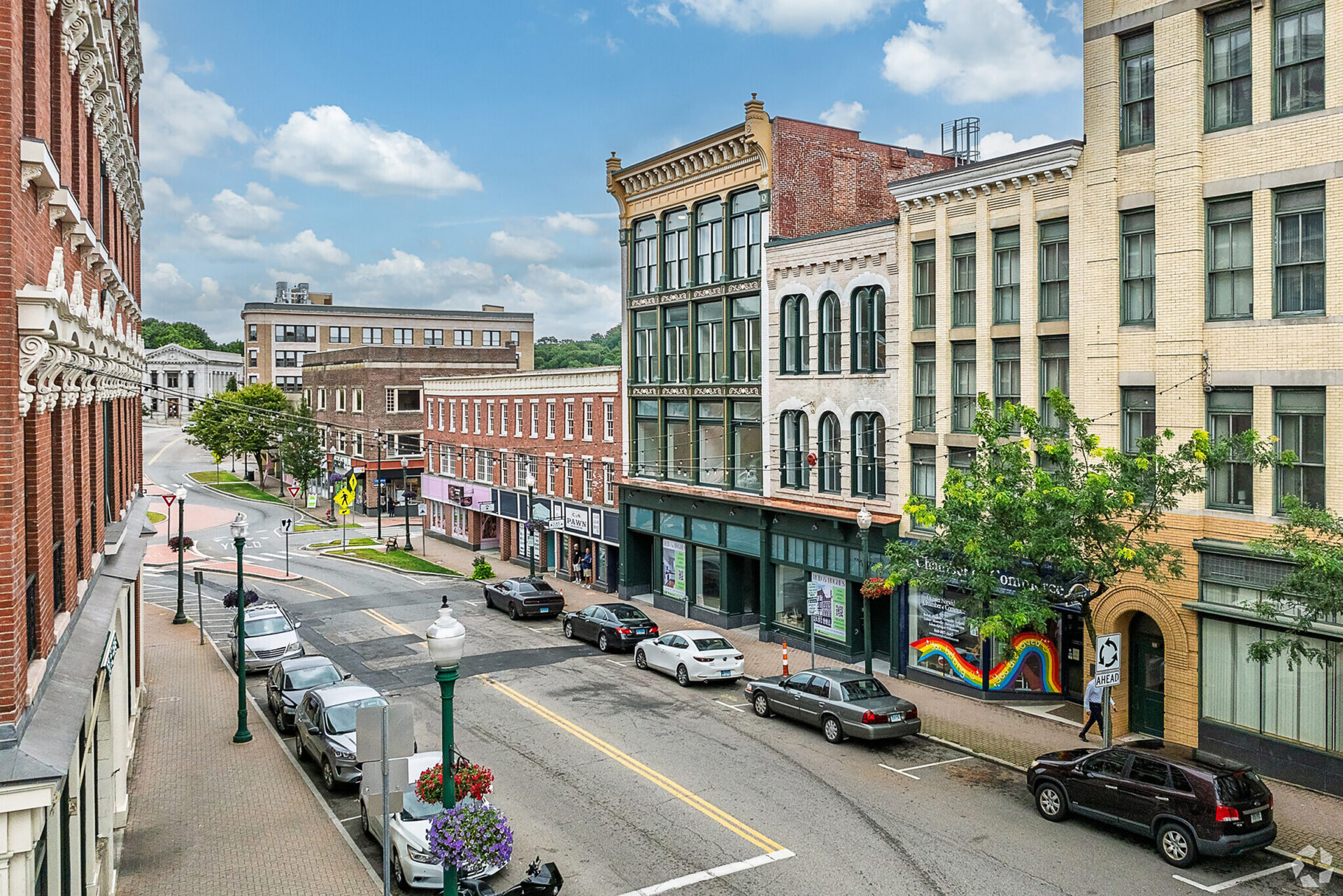
Norwich: Reid & Hughes (Reid & Hughes department store)
After a grassroots movement saved the long-vacant Reid & Hughes building from demolition, it went through two developers before being successfully redeveloped. Serious structural deficiencies required wood and concrete masonry sheer walls to provide lateral support. Today, the building offers apartments and commercial space while lively historic paint colors animate the facade.
Project team: Heritage Housing, Inc.; Crosskey Architects LLC; Heritage Contracting LLC; James K. Grant Associates; GNCB Consulting Engineers, P.C.; Acorn Consulting Engineers, Inc.; National Park Service; State Historic Preservation Office; Capital for Change; Norwich Community Development Corporation; Connecticut Department of Economic & Community
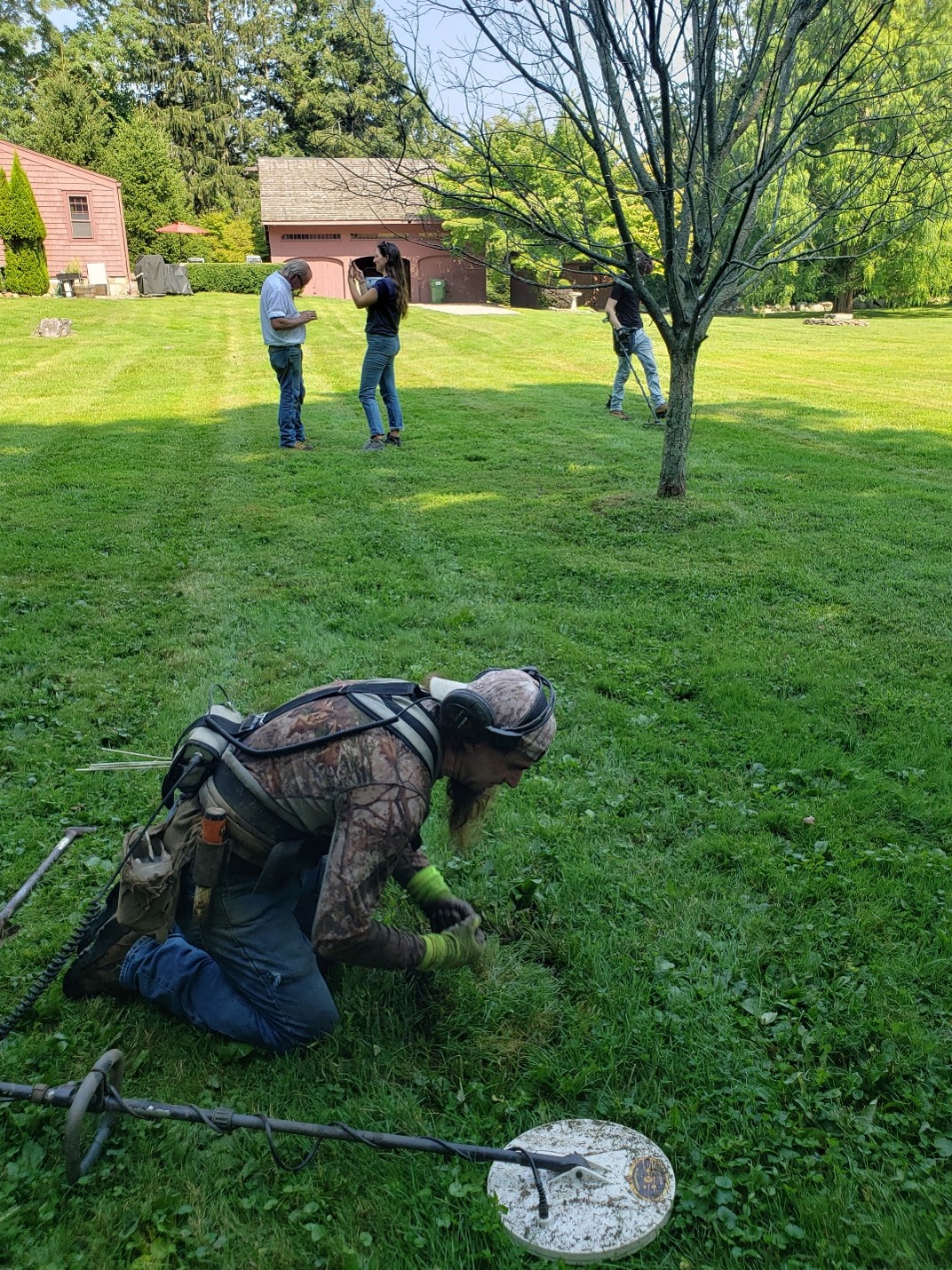
Ridgefield : Battle of Ridgefield Documentation and Engagement
After human skeletal remains were discovered under the basement of an historic Ridgefield home, the Battle of Ridgefield, in 1777, became the subject of renewed and intense interest. With financial assistance from the American Battlefield Protection Program and archaeological investigations by Heritage Consulting, the Ridgefield Historical Society has conducted research to expand understanding of the battle, define battlefield boundaries, and heighten community and individual investment and engagement in the project. The society has also become a primary advocate for protecting the battlefield for future generations.
Project team: Ridgefield Historical Society; Heritage Consulting
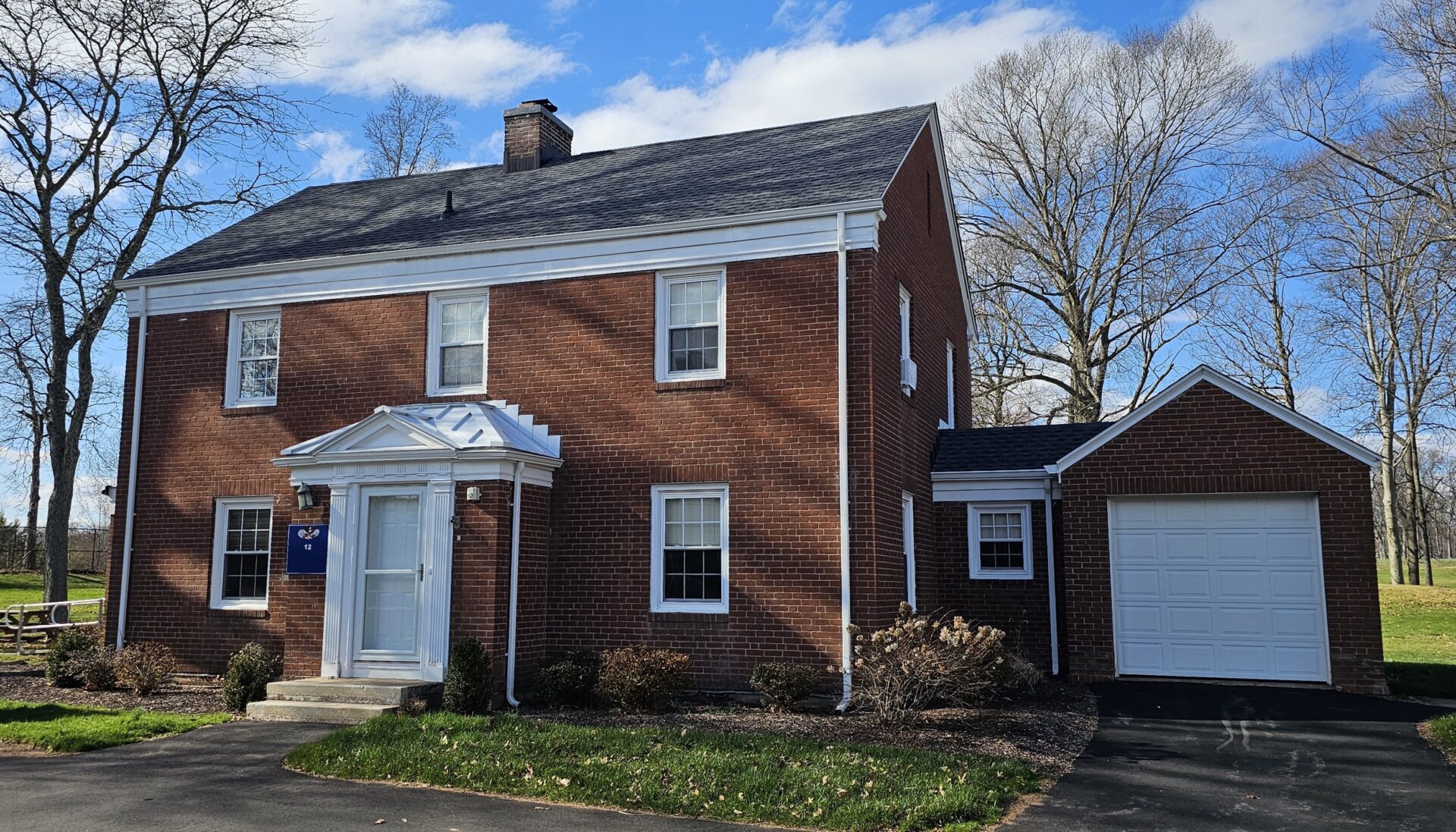
Rocky Hill: Patriots’ Landing, Phase I (State Veterans’ Home, Residences 11-17)
Patriot’s Landing provides supportive housing for veterans in six former staff houses on the Department of Veterans’ Affairs campus. DVA renovated the vacant buildings with funding from the American Rescue Plan Act and Connecticut Department of Housing, providing a model for other underutilized state properties. Renovating existing properties can allow housing units to be placed into service more quickly than new construction. Additionally, many historic properties lend themselves to residential reuse, with larger institutional buildings converted to apartments, and smaller residences returned to their original use.
Project team: Connecticut Department of Veterans’ Affairs; Connecticut Department of Housing; EDM Studio; G. Donovan; New England Yankee Construction, LLC; Empire Paving, Inc.; Rep. Kerry Wood; Chrysalis Center
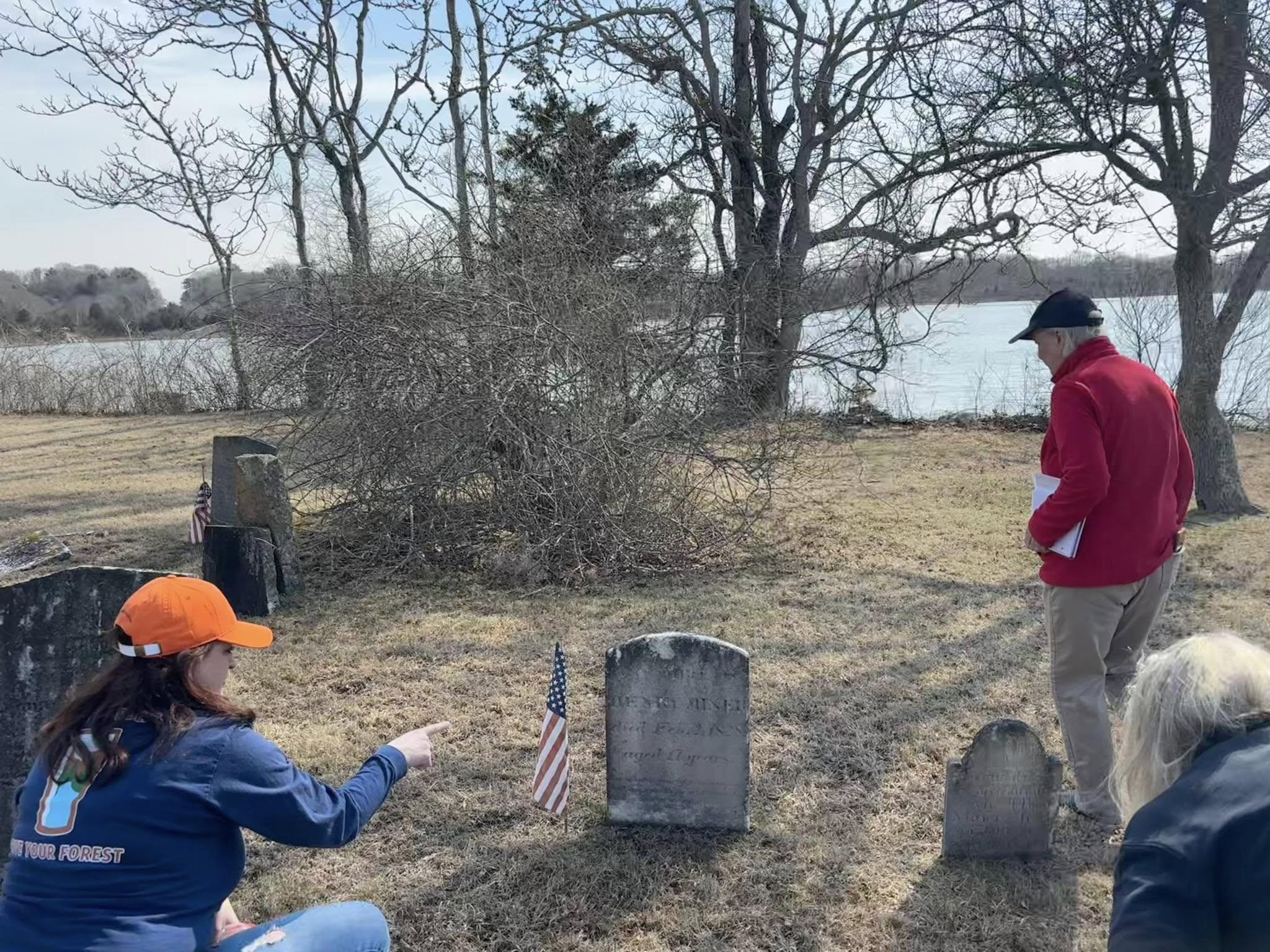
Stonington: Stonington Cemetery Commission
The town of Stonington owns more than 40 cemeteries dating to the 17th century and embodying a wealth of historical information and art history. In 2024 the town created the Stonington Cemetery Commission to ensure that they be documented and respectfully cared for. In just two years, the volunteer commission has located all the cemeteries, built public awareness through public events and social media, worked with Town departments to establish a mowing schedule and create signs, and carried out cleanup and gravestone restoration at the Wheeler-Bentley cemetery.
Project team: Town of Stonington Cemetery Commission: Suzanne Matteson, Elizabeth Wood, William Fyke, June Froh, Rebecca Nolan, Catherine Vargas, Rob Simmons
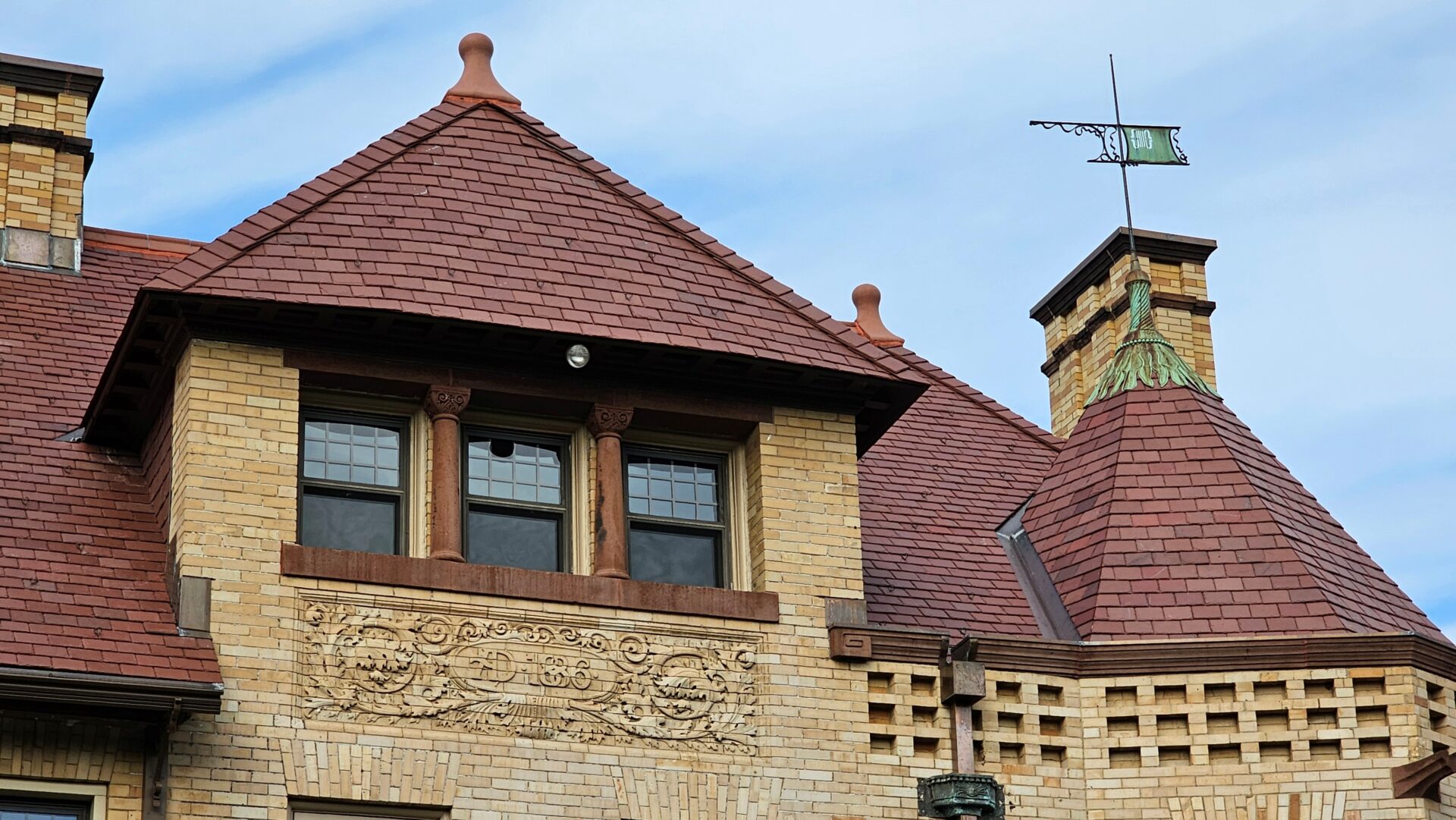
Stratford: Sterling Community Center (Cordelia Sterling house)
Originally home to a wealthy Stratford family, the Sterling house was willed to the people of Stratford as a community center. Recently the nonprofit center replaced inefficient HVAC systems, upgraded life safety equipment, rehabilitated damaged interiors, and restored the building envelope. Through meticulous detailing and close partnership with Sterling’s leadership, the comprehensive restoration achieved a revitalized, welcoming facility that highlights the Center’s rich heritage. A noteworthy challenge was to ensure that services for at-risk youth, the elderly, and families continued uninterrupted during construction.
Project team: Sterling Community Center; Hoffmann Architects + Engineers; Visionary Interiors Architecture; Turner Construction Company; Thomas A. Torrenti, PC; Collective Design Associates; Pereira Engineering; N&S Electric; A&B Mechanical; Select Demolition Services; CGM Acoustics, Inc.; G.L. Capasso; Wright Architectural Millwork; Silktown Roofing; Blackwater Services Group, LLC; R&B Ceramic Tile & Floor Covering, Inc.; T. Arduini Company, Inc.; The MacKenzie Company, LLC
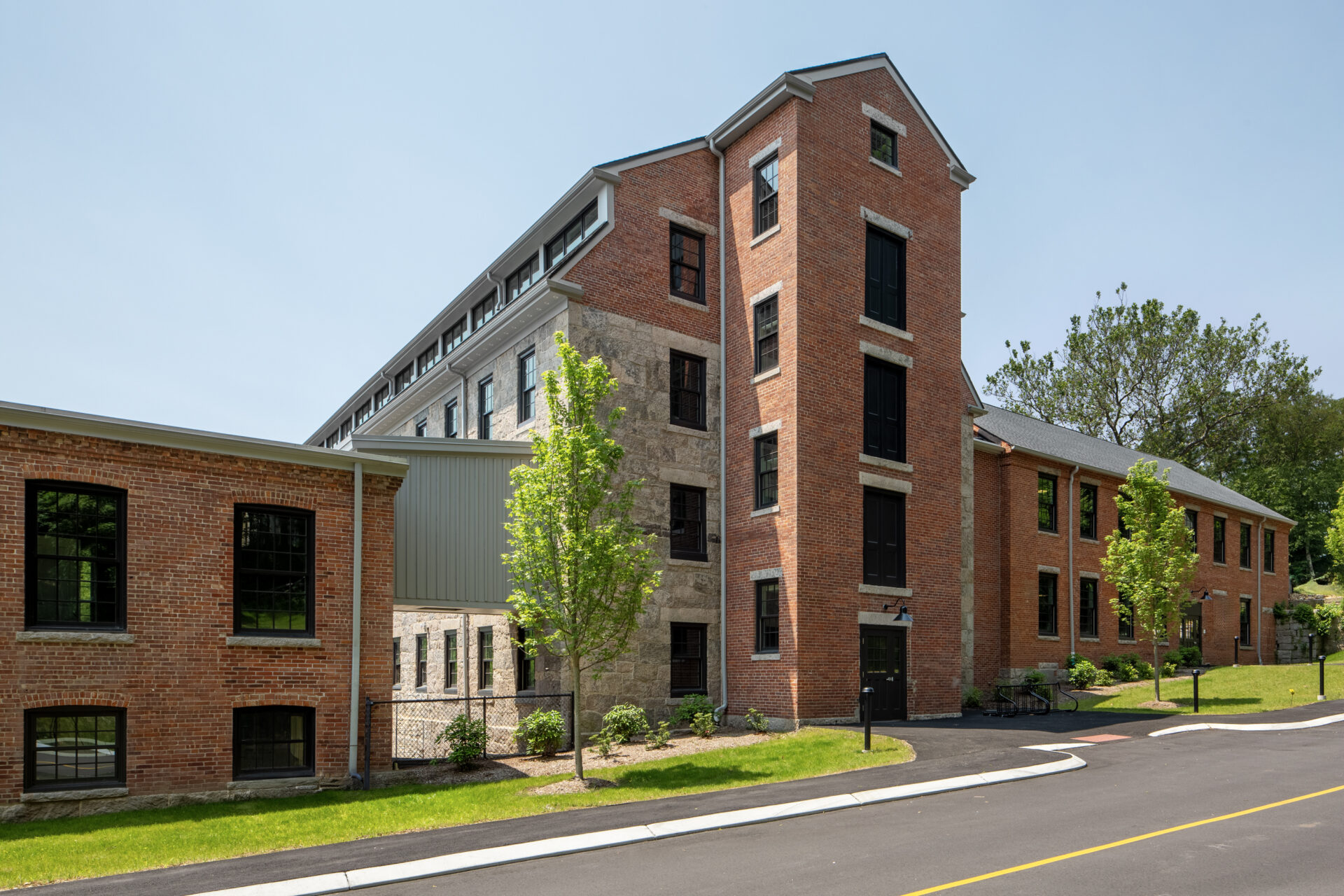
Uncasville: Oxoboxo Lofts (Uncasville Manufacturing Company mill)
The historic Uncasville Company mill complex underwent a sensitive adaptive reuse and restoration into 72 much-needed affordable housing units. Employing historic tax credits, public-private partnerships, and Connecticut Department of Economic and Community Development Brownfield funding, the owners and architects remediated significant environmental hazards, preserved character-defining industrial features, and integrated sustainable, accessible building systems. Their work demonstrates that historic preservation can responsibly meet urgent housing needs while safeguarding an irreplaceable piece of Connecticut’s 19th- and 20th-century industrial and community heritage.
Project team: Dakota Partners Inc; Paul B. Bailey Architect, LLC; Aztech Engineers, Inc.; BSC Group; MaGrann Associates; Morrissey Engineering, LLC; James, C. Sexton, Ph.D.; Maggiore Construction, Inc.; Down to Earth Consulting, LLC
Thank you to all the Connecticut Preservation Awards sponsors!