

Preservation Connecticut is proud to announce the 2026 Elizabeth Mills Brown awards. A joint project with the Connecticut chapter of the American Institute of Architects, the awards recognize design excellence in the restoration, rehabilitation, adaptation, and reuse of historic structures. They are named after and honor the work of Elizabeth Mills Brown, a prominent Connecticut architectural historian, preservationist, civic leader, and author of the extraordinarily comprehensive and meticulously researched New Haven: A Guide to Architecture and Urban Design (Yale University Press, 1976).
The awards were selected by a jury recruited with the assistance of Preservation Massachusetts. Jury members were:
Gregory Farmer, preservation consultant, Agawam, Massachusetts
Jeffrey Gonyeau, Preservation Circuit Rider, Preservation Massachusetts, Plymouth, Massachusetts
Scott Winkler, AIA, LEED AP, Wessling Architects, Braintree, Massachusetts.
Excellence
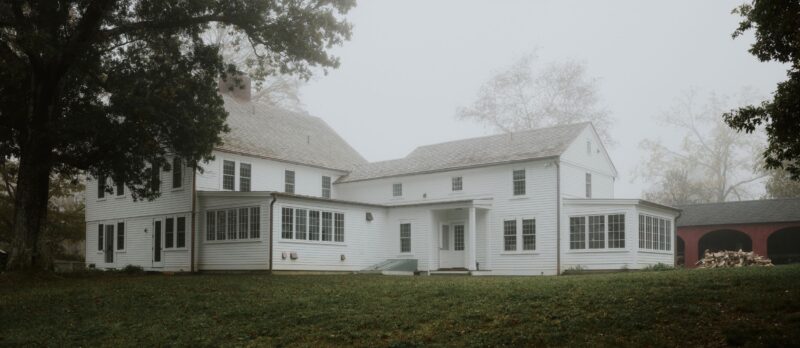
Washington, Connecticut, Farmhouse: Elizabeth Roberts Architects
Built in 1783 and expanded around 1900 by architect Richard Henry Dana, this farmhouse was carefully rehabilitated to support contemporary family life while preserving its layered history. Following the Secretary of the Interior’s Standards for Rehabilitation, the project retained original floors, millwork, doors, hardware, staircases, and the restored brick chimney with its beehive oven. Modest additions and interior updates improved functionality while respecting the house’s historic character, ensuring its continued contribution to the architectural heritage of Washington Village.
Jury comments: The jury praised the project’s thoughtful, light-touch approach, noting its sensitivity to the house’s historic fabric and evolution over time. They commended the discreet additions and creative reuse of existing space, highlighting how the design successfully introduced modern functionality while preserving the farmhouse’s character, charm, and architectural integrity.
William Jess Laird
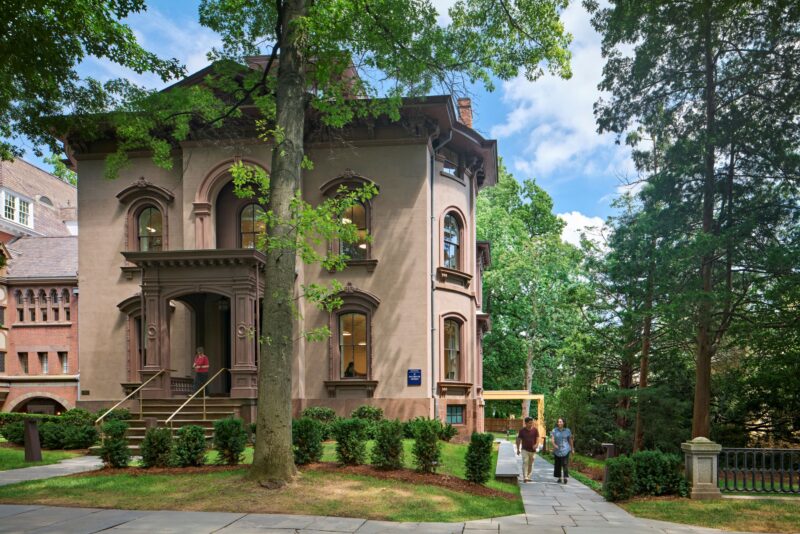
37 Hillhouse Avenue, Yale University, New Haven: Christopher Williams Architect
The 1866 Graves-Gilman house, a contributing property within the Hillhouse Avenue National Register historic district, was renovated and expanded to serve Yale University’s evolving academic needs. The project combined restoration of the Italianate villa with an addition designed in accordance with the Secretary of the Interior’s Standards. Historic features were carefully preserved while new accessible, all-electric, high-performance spaces support offices, laboratories, and classrooms. The addition complements the historic structure while extending its life and reinforcing Hillhouse Avenue’s architectural legacy.
Jury comments: The jury commended the exemplary restoration of the historic 1866 building, highlighting the high quality of both the exterior and interior preservation work. They commended the seamless integration of the addition, noting its respectful scale, distinct identity, and ability to accommodate modern accessibility, sustainability, and programmatic needs while reinforcing the character of the original structure.
Robert Benson Photography
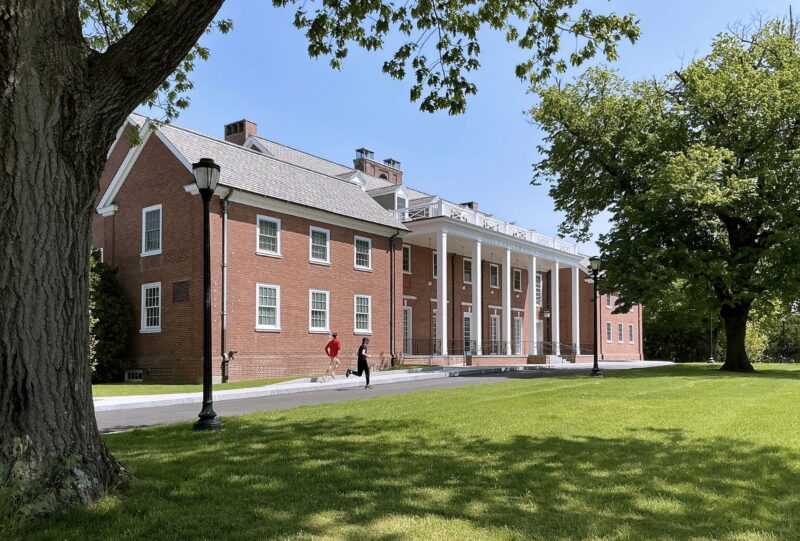
Lapham Field House, Yale University, New Haven: Apicella + Bunton Architects
Yale Athletics’ historic Georgian clubhouse since 1924, Lapham Field House was
comprehensively renovated to serve the university’s football, cross country, and track and field programs. The project improved accessibility, upgraded building systems, and modernized interiors while preserving the building’s historic character. Original features, including wood paneling, fireplaces, railings, and lanterns, were carefully restored, and landscape enhancements improved access and functionality. Completed without expanding the original footprint, the renovation ensures the continued role of Lapham Field House as a central part of Yale athletics.
Jury comments: The jury recognized the project’s thoughtful modernization of the historic 1920s athletic facility, noting its success in accommodating contemporary functional, accessibility, and sustainability goals while preserving the building’s historic character. They highlighted the creative integration of upgrades within the existing envelope and the minimal impact on the building’s defining exterior features.
Apicella + Bunton Architects, LLC
Merit
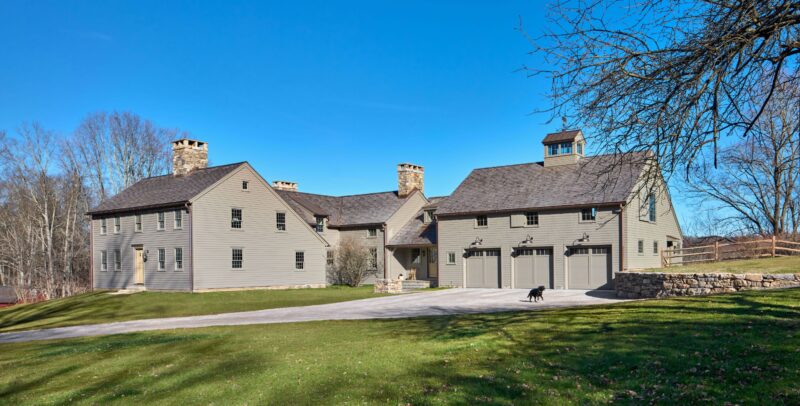
Saltbox Farm, Sandy Hook: Haver & Skolnick Architects
Built in 1770, this historic Sandy Hook saltbox farmhouse was restored to its original form after decades of additions had obscured its character. The rehabilitation repaired the hand-hewn timber frame, rebuilt the center chimney using salvaged materials, and preserved original architectural features. A large but carefully sited addition accommodates contemporary family living while maintaining the prominence of the historic house.
Jury comments: The jury recognized the exceptional restoration of the historic saltbox itself, citing the high quality of craftsmanship and the faithful preservation of the house’s original character both inside and out.
Robert Benson Photography
The awards will be presented at the AIA/Connecticut awards gala on November 19. For information or registration or contact Christopher Wigren at 203.562.6312 x 2 or cwigren@preservationct.org.